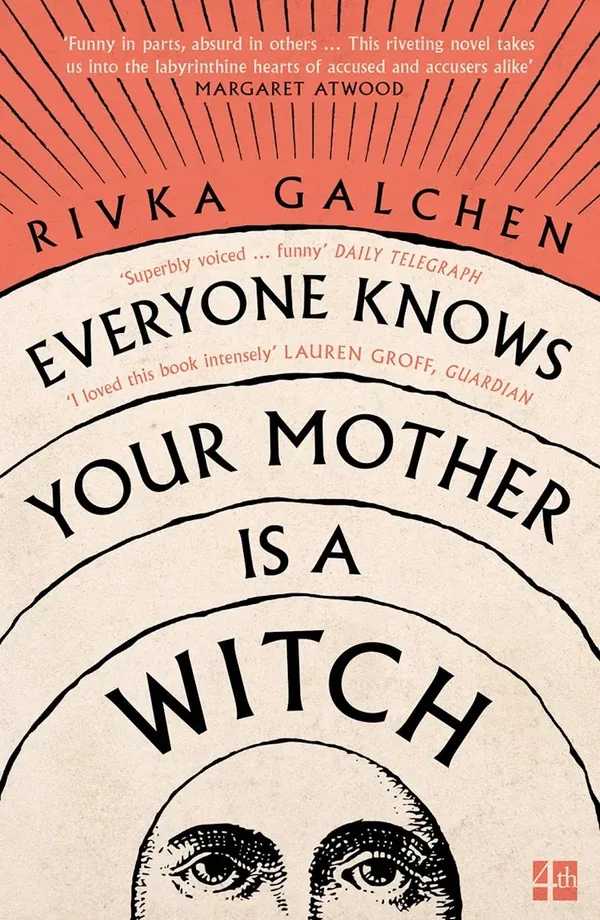
This amazing novel is based on a real event—the witchcraft case against Katharina Kepler, the mother of the famous astronomer, which was initiated following an accusation in 1615.
But largely, this is a fictionalized account: the story is told by 70-year-old Katharina herself, as if she were dictating her thoughts to her neighbor (the real Katharina was illiterate), while her monologue is interspersed with letters and the testimonies of her accusers, most of which are also fictionalized.
Ultimately, the book’s value lies not in factual precision, but in its witty yet poignant writing, which is rich in detail—covering not just the era of witch hunts, the Thirty Years’ War, and the plague, or the minutiae of daily life, but the very mindset of the people involved.
Katharina’s characterization is nothing short of brilliant: she speaks with a practical, almost businesslike tone that still conceals hidden depths—a quality that fits the story’s themes perfectly.