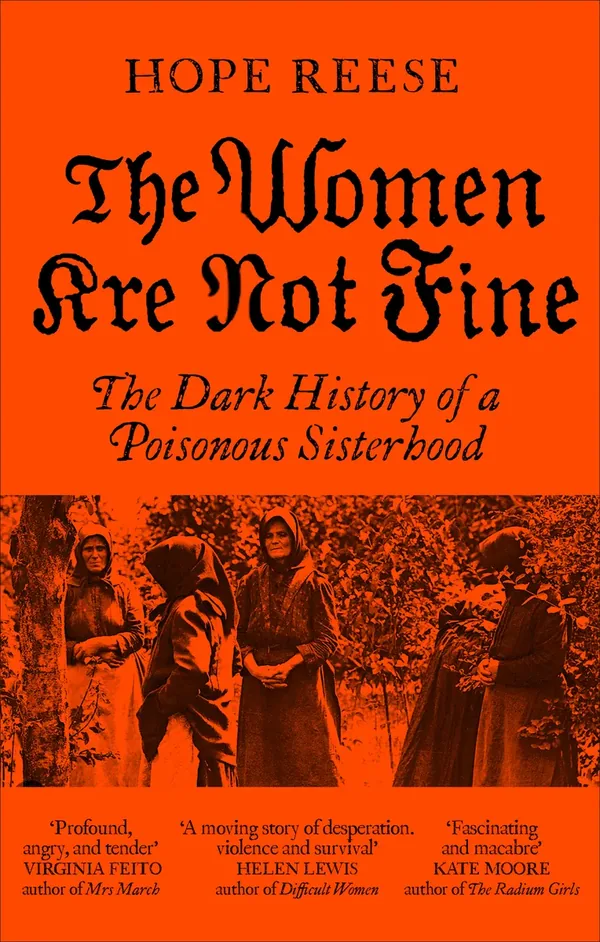
An old-school journalistic investigation at its best, drawing on extensive archives, documents, testimonies, and historical sources.
A century later, what remains accessible about the unprecedented wave of poisonings—carried out over at least thirty years by women in an impoverished Hungarian region against their abusive husbands and older men—offers little material for a compelling detective plot. But it does make it possible to tell a socially pointed story about a dark era, centered on a single landmark.
That landmark was rural Nagyrév, a small, relatively isolated village without a doctor, where in the late 19th and early 20th centuries, young women were married off by arrangement, the entire male population drank, families could not afford to raise their children, and abortion and infanticide rates were appalling. And after World War I, violence and hopelessness became so unbearable that women found a way out for themselves, sharing knowledge of how to prepare and administer poison.
This well-researched work includes a substantial introduction outlining the socio-economic background and a conclusion analyzing why these women acted as they did. Sandwiched between are case studies of several women and their strikingly similar fates, but with an unexpectedly grim level of mutual support.